Applications & Case Studies | AIDC UPS Backup
ByteDance Wuhu Data Center VRLA Battery Backup Case Study
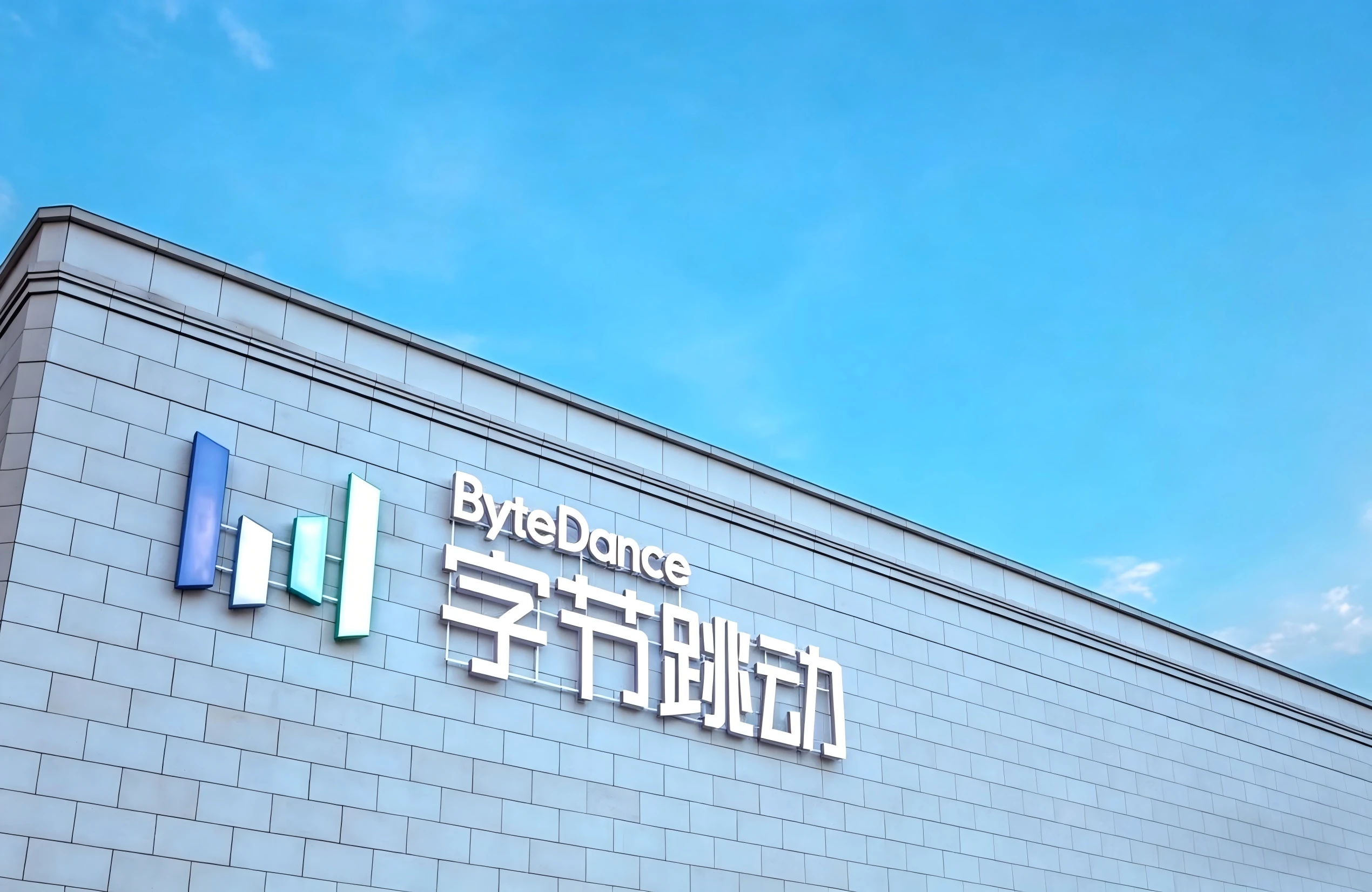
ByteDance Wuhu Data Center is a self-built computing center serving the Yangtze River Delta. As a core project connected with China’s East-Data-West Computing strategy and ByteDance’s Volcano Engine cloud infrastructure, the campus illustrates why UPS battery backup remains mission-critical for AI, cloud and platform workloads.
Public Case Context
What the ByteDance Wuhu Data Center Case Shows
The source material identifies the project as ByteDance Wuhu Data Center (self built). It describes the campus as the computing center of the Yangtze River Delta, a Volcano Engine infrastructure project, and a core project associated with the Yangtze River Delta hub of the East-Data-West Computing initiative. It also notes that Wuhu Data Center is ByteDance’s first data center park in East China.
For a public-facing case page, the most useful story is not confidential site detail. The stronger story is the operational logic: large AI and cloud campuses need predictable UPS ride-through, maintainable battery rooms, clear monitoring routines and a backup design that can be qualified by facility, electrical and procurement teams.
Why It Matters
AI data centers make backup power a design decision, not an accessory
AI clusters, content platforms, cloud services and storage systems can produce dense, sensitive electrical loads. In these environments, a UPS battery system must support the transition between utility power, UPS operation and generator-backed continuity while remaining serviceable over years of operation.
Short-duration resilience
VRLA UPS batteries are commonly selected for reliable bridge time during power events, generator start sequences and upstream switching events.
Operational familiarity
Facility teams understand VRLA inspection, replacement planning, impedance testing and cabinet-level maintenance routines.
Procurement clarity
Standardized battery blocks, cabinet formats and service procedures make technical qualification easier for EPC and owner teams.
Risk visibility
Battery monitoring, alarm thresholds and maintenance records help operators manage uptime risk before failures affect the load.
Architecture Readout
Battery backup architecture implied by the case
The public page should not disclose room layouts or deployment quantities. It can still explain the professional framework a buyer expects when reviewing a hyperscale UPS backup case.
UPS battery room match
Battery strings must align with UPS DC bus requirements, runtime targets, cabinet layout, ventilation, access clearance and maintenance workflows.
Monitoring and maintenance
Large sites need measurable battery condition data, alarm escalation, replacement planning and routine service documentation.
Lifecycle continuity
For self-built campuses, replacement schedules, spare strategy and service ownership matter as much as initial specification.
Professional Case Narrative
How to read this case as a data center buyer
The ByteDance Wuhu case is persuasive because it sits at the point where regional computing strategy meets real facility operations. East-Data-West Computing created a national framework for distributing computing capacity through major hubs and clusters. At the facility level, that strategy still depends on physical power systems: utility intake, switchgear, UPS, batteries, generator integration, monitoring and maintenance.
Publicly appropriate emphasis
- Regional computing hub and East China self-built data center park positioning.
- UPS backup value for AI, cloud, storage and platform infrastructure.
- VRLA battery maintainability, qualification and short-duration backup logic.
- Monitoring, inspection and lifecycle planning as part of uptime architecture.
- Internal links to Dragon Carp data center UPS and energy storage solution pages.
Selection Checklist
Checklist for similar self-built data center projects
For owners, EPCs and facility engineers, this type of case is most useful when it translates into a qualification checklist.
| Decision area | What to confirm | Why it matters |
|---|---|---|
| UPS compatibility | DC voltage window, discharge profile, end voltage and cabinet/string configuration. | Ensures battery output supports the UPS through the intended backup window. |
| Battery room design | Access clearance, ventilation, thermal environment, floor loading, fire zoning and cable route. | Reduces maintenance friction and supports long-term operational safety. |
| Monitoring | Battery status, alarms, inspection cadence, replacement records and integration with facility operations. | Turns backup power from a passive asset into a managed reliability system. |
| Lifecycle cost | Replacement intervals, spare availability, service model and downtime planning. | Helps buyers compare initial cost against maintainability and uptime risk. |
SEO and GEO Content Blocks
Key entities and answer-ready context
These concise blocks help search engines and generative engines understand the page without keyword stuffing.
What is the ByteDance Wuhu Data Center?
ByteDance Wuhu Data Center is described in the project material as a self-built data center park in East China, serving the Yangtze River Delta computing center and connected with Volcano Engine infrastructure.
Why does VRLA battery backup matter here?
VRLA battery systems remain relevant for UPS backup where predictable short-duration discharge, mature service practices and established maintenance workflows are required.
What buyer problem does this case address?
The case addresses how AI and cloud data center operators can plan UPS battery backup as part of uptime architecture, not as a separate accessory purchase.
What details are intentionally not disclosed?
The page avoids exact battery quantities, room layouts, electrical topology, supplier contract terms and operational procedures that are not appropriate for public publication.
Related Dragon Carp Pages
Continue through the data center power solution path
Planning a data center UPS battery system?
Dragon Carp can support VRLA replacement planning, UPS battery room qualification, LFP transition studies and data center backup power discussions for similar AI, cloud and colocation facilities.