Cold-site resilience
Sodium-ion chemistry supports operation in low-temperature environments where conventional battery systems may require extra heating strategy.
Sodium-ion UPS battery for critical power
A high-voltage sodium-ion battery cabinet for data center UPS backup, engineered around wide-temperature operation, fast discharge response, and safer chemistry for critical infrastructure projects.
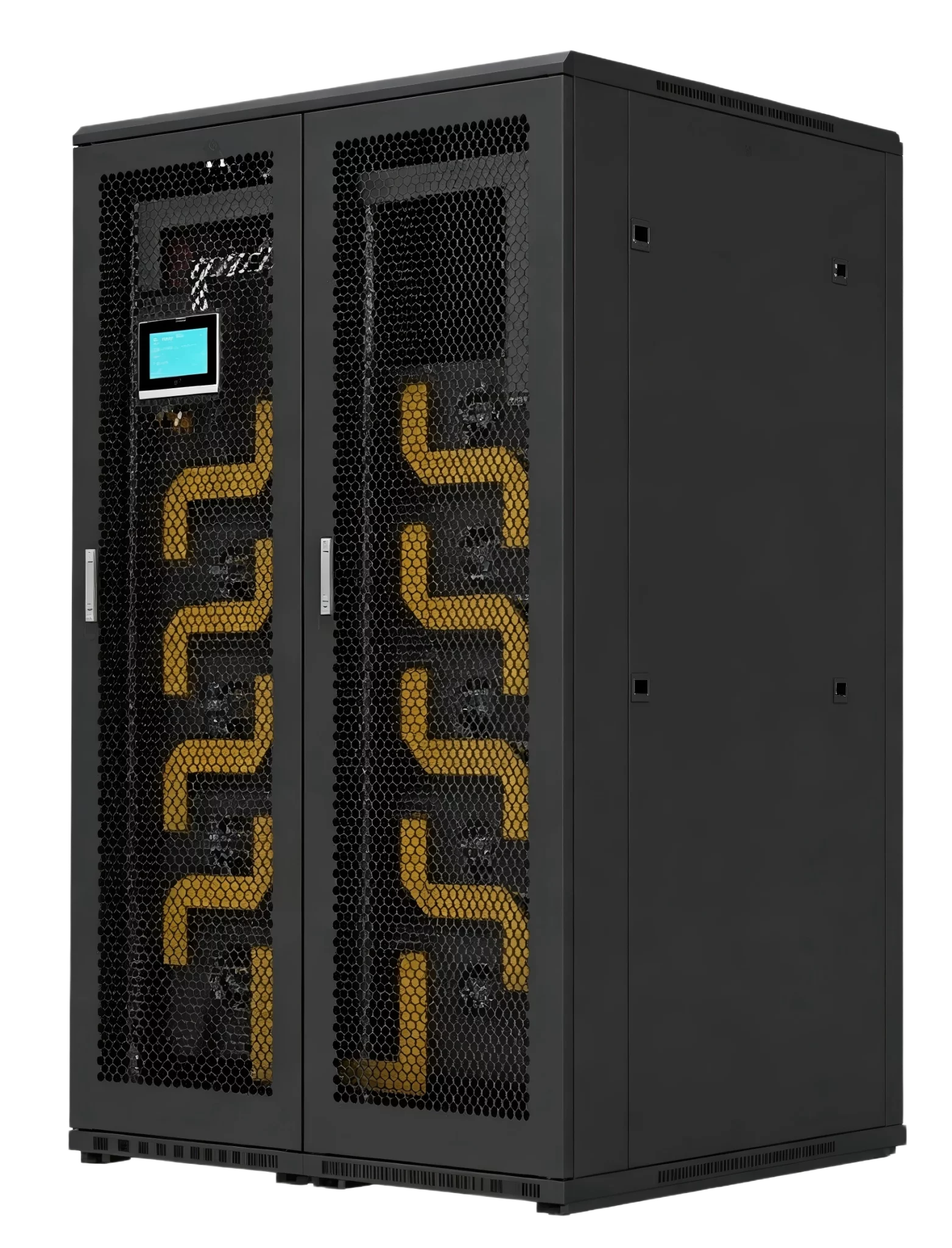
The redesigned page brings the decision-making details into the first screen: voltage, capacity, temperature range, discharge profile, safety rationale, and the next engineering step.
Sodium-ion chemistry supports operation in low-temperature environments where conventional battery systems may require extra heating strategy.
High-rate discharge positioning helps bridge transfer windows, generator start, and controlled shutdown requirements.
The chemistry is presented around safety, stability, and infrastructure-grade reliability rather than consumer battery language.
Clear specs and compatibility notes help facilities, electrical, and procurement teams start a technical review faster.
Use these values as a starting point for UPS DC bus, runtime, battery monitoring, and protection review.
| Parameter | Specification | Planning note |
|---|---|---|
| Nominal voltage | 522V DC | High-voltage UPS battery architecture |
| Rated capacity | 100Ah (C3) | Sized for project-specific runtime review |
| Chemistry | Sodium-ion | Reduced lithium dependency and strong thermal stability |
| Operating temperature | -40°C to +60°C | Useful for cold rooms, outdoor-adjacent rooms, and harsh sites |
| Discharge rate | 3C continuous / 5C peak | Supports high-rate UPS transfer and short-duration backup |
| Cycle life | ≥ 4,500 cycles | At 25°C and 80% DOD reference conditions |
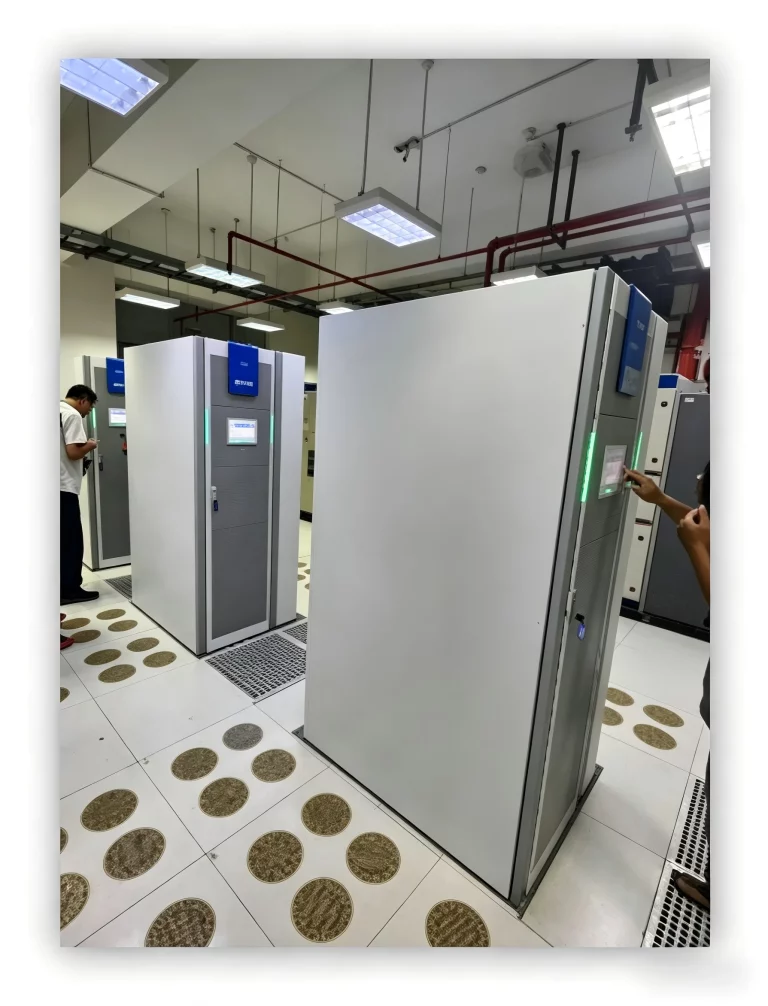
For US data center buyers, the strongest first impression is not a decorative graphic. It is a product and a set of operating data that can be discussed with facilities, electrical, safety, and procurement teams.
The page now positions sodium-ion as a critical-power option for specific deployment constraints, not as a generic battery novelty.
High-voltage backup for facilities evaluating safer chemistry and high-rate discharge.
Useful for distributed sites where temperature range and maintenance simplicity matter.
Suitable for projects where low-temperature performance is part of the design conversation.
It uses sodium-ion chemistry for high-voltage UPS backup, emphasizing wide-temperature operation and high-rate discharge.
No. It is a battery cabinet/module solution. Final system behavior depends on UPS integration, controls, protection, and site engineering.
Facilities, electrical engineering, procurement, safety, and UPS integration teams should validate the final configuration together.
Send the UPS brand, DC bus requirements, target runtime, ambient temperature range, monitoring requirements, and project location. FNS Power can help review whether sodium-ion fits the backup design.